Gianfranco Coronese

Italy

Homepage Image
Gianfranco Coronese - SecOps Insights

Over the past twenty years, I have built a solid career within the evolving Italian IT companies, working across multiple environments and technologies. My professional journey has been driven by curiosity, precision and a constant search for effective, forward-looking solutions. I have developed an in-depth understanding of enterprise infrastructures and everyday operational challenges.

Beyond the technical domain, I greatly value the human side of IT, such as collaboration, mentoring, and knowledge sharing. Recently, I had the opportunity to serve as a trainer for a course on Cloud Computing and Manufacturing, teaching a class of 25 students about the real-world applications of cloud technologies. That experience inspired me to create this blog, where I share insights, scripts, and reflections about technology, security, and the practical side of IT operations

For privacy reasons and to respect the company who I working for, I have chosen do not disclose the name of my last employer in the work experience section on LinkedIn profile. Please don't trust other sites that show my CV. I invite you to refer only to my LinkedIn profile for additional details, including references and further information about my professional background.

CheckMe

Gianfranco Coronese - SecOps Insights

Microsoft Conditional Access Policy

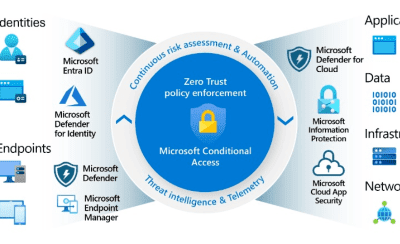
CA are security policies used to control access to applications, data and resources based on specific conditions. The goal is to ensure that only authorized users can access sensitive data and applications. Here some policies you should to deploy in your environment… Migrate from manually configured Per-User MFA to centralized MFA using Conditional Access. Block legacy authentications due to deprecations (see MS Alert for September 2025). Enforce MFA for all guest accounts to protect your security boundary.

Gianfranco Coronese - SecOps Insights

Microsoft Entra ID Protection

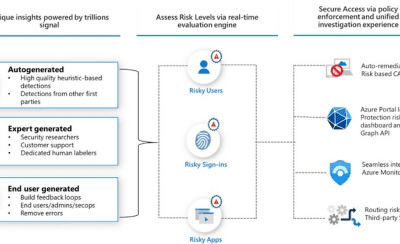
Allows organizations to detect, analyze, mitigate identity-based risks and can be integrated with Conditional Access Policy to make access-related decisions. Here are 6 reasons why you should to pay attention: Users with leaked credentials Sign-ins from anonymous IP addresses Impossible travel to atypical locations Sign-ins from infected devices Sign-ins from IP addresses with suspicious activity Sign-ins from unfamiliar locations -User risk policy -Sign-in risk policy Why does your company need it?

Gianfranco Coronese - SecOps Insights

Microsoft Entitlement Management

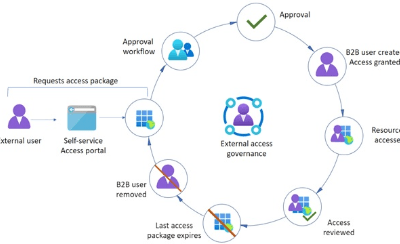
How many times have you been asked to assign permissions to an external consultant and then forgotten to revoke them? They were supposed to access the VPN for just one day, files upload on a SharePoint folder or use a USB device to transfer data for 8 hours… Your oversights put your company at risk. Here 6 keys why you should to deploy it. Access Packages: Organize resources like apps, groups, and roles into specific packages for different departments or partners.

Gianfranco Coronese - SecOps Insights

Microsoft Privileged Identity Management

Here are 9 reasons why you should deploy it in your company. Temporary Privileges: Reduces attack surface by limiting elevated access to when needed. Auditing: Tracks every admin activity for compliance and security. External Support: Manages granular permissions for SOCs or third parties for a limited time, requiring justification for privilege elevation. Risk Reduction: Minimizes exposure of privileged accounts. ITSM Ticket: The privilege elevation activity refers to a ticket used to track the whole process.

Gianfranco Coronese - SecOps Insights

FIDO2: The Future of Passwordless Security

Enhanced Security: FIDO2 eliminates the risk of weak or stolen passwords, offering instead unique cryptographic keys for each online service. Convenience: Users don’t need to remember or manage multiple complex passwords. They can instead use physical devices like USB keys or biometrics (such as fingerprints or facial recognition) to access their accounts. Reduced Phishing Risk: Since FIDO2 defaults to two-factor authentication (MFA), the risk of phishing and other cyber-attacks is significantly reduced.